
Compare the key differences between Moissanite, Lab Grown Diamonds, and Natural Diamonds to choose the perfect gemstone.
| Diamond Properties | Moissanite | Lab Grown Diamond | Natural Diamond |
|---|---|---|---|
| Mining | Mining Free | Mining Free | Mined |
| Eco-Friendly | ✔ Yes | ✔ Yes | ✖ No |
| Refractive Index | 2.65 – 2.96 | 2.42 | 2.42 |
| Hardness (Mohs Scale) | 9.25 – 9.50 | 10 | 10 |
| Conflict Free | ✔ Yes | ✔ Yes | May Be |
| Fire (Dispersion) | 0.104 | 0.044 | 0.044 |
| Luster | 20.40% | 17.20% | 17.20% |
| Toughness | Excellent | Excellent | Excellent |
| Durability | Lifetime | Lifetime | Lifetime |
| Certification | Diamondrensu | IGI / GIA | IGI / GIA |
| Price | $ | $$ | $$$$ |
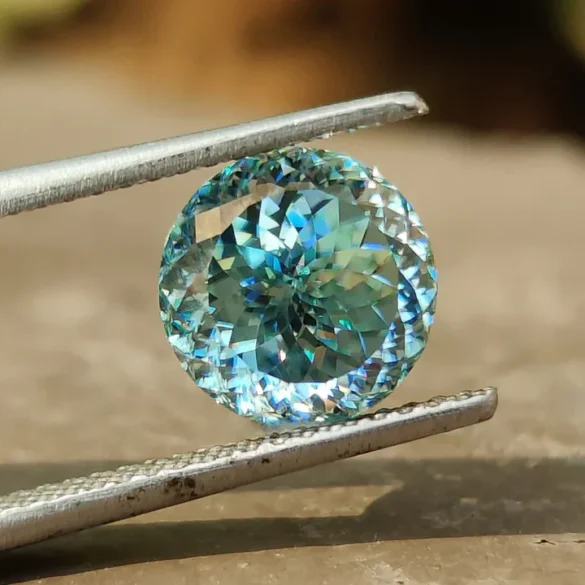
What is Moissanite?
Moissanite is a stunning gemstone made from silicon carbide. It was first discovered in 1893 by French scientist Henri Moissan in the remnants of a meteor crater. Initially mistaken for diamonds due to its remarkable sparkle, moissanite is now celebrated as a unique gemstone with exceptional beauty and performance.
Known for its extraordinary brilliance and fire, moissanite often reflects more colorful flashes of light than a natural diamond. It is also highly durable, ranking 9.25 on the Mohs hardness scale, making it an excellent choice for everyday jewelry.
Today, nearly all moissanite gemstones are lab-created, offering an ethical, sustainable, and affordable alternative to mined diamonds. With its dazzling appearance, lasting durability, and eco-friendly production, moissanite has become a popular choice for modern consumers seeking luxury without compromise.
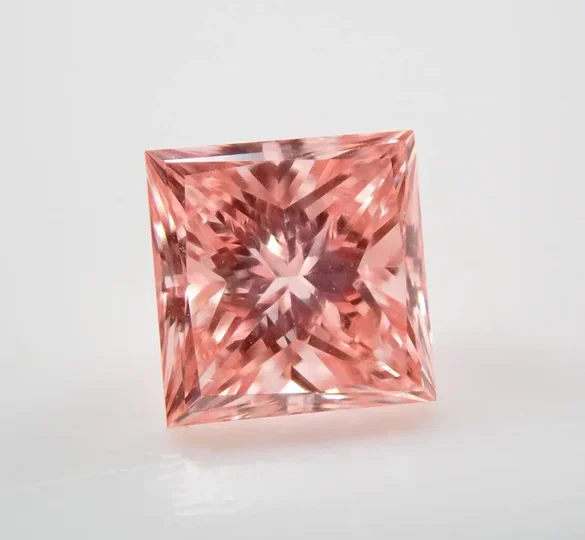
What is a Lab-Grown Diamond?
A lab-grown diamond is a real diamond created in a controlled laboratory environment using advanced technologies such as High Pressure High Temperature (HPHT) or Chemical Vapor Deposition (CVD). These methods replicate the natural diamond-growing process, producing diamonds that are chemically, physically, and optically identical to mined diamonds.
Because they have the same composition and crystal structure as natural diamonds, lab-grown diamonds are virtually indistinguishable from mined diamonds, even to the naked eye. They offer the same brilliance, hardness, and durability while typically costing significantly less than natural diamonds.
Lab-grown diamonds are also a more ethical and environmentally conscious choice. Since they are created without traditional mining, they are conflict-free and have a lower environmental impact. Combining exceptional beauty, authenticity, and value, lab-grown diamonds have become a popular choice for modern consumers seeking luxury with sustainability.
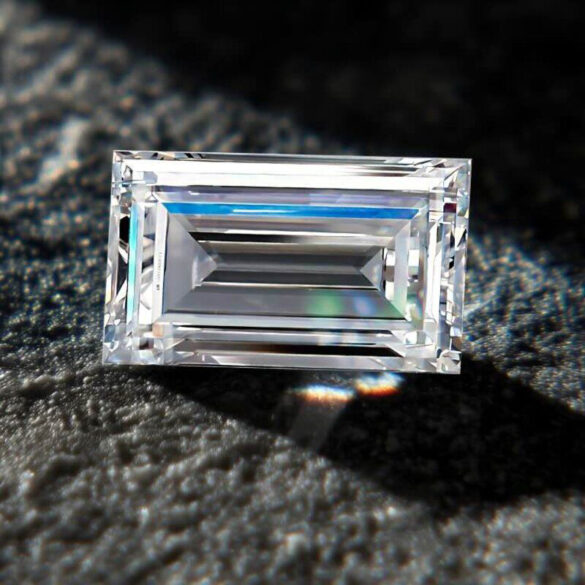
What is a Natural Diamond?
A natural diamond is a precious gemstone formed deep within the Earth’s mantle over billions of years. Created from pure carbon under extreme heat and pressure, natural diamonds are brought closer to the Earth’s surface through volcanic activity. Their rarity, exceptional hardness, and timeless beauty have made them one of the world’s most treasured gemstones.
Natural diamonds are valued for their brilliance, durability, and unique characteristics, making them a popular choice for engagement rings and fine jewelry. Each diamond is one of a kind, with its own natural inclusions and formation history.
However, traditional diamond mining can have environmental and social impacts, including land disturbance, habitat disruption, and significant resource consumption. In some regions, the trade of conflict diamonds has also raised ethical concerns. Today, many consumers look for responsibly sourced, conflict-free diamonds that adhere to strict ethical and environmental standards, helping ensure a more sustainable and transparent diamond industry.
Have Any Questions?
What is a Lab Grown Diamond?
A lab grown diamond is a real diamond created in a controlled laboratory using advanced technology that replicates the natural diamond-growing process. It has the same chemical, physical, and optical properties as a mined diamond, making it indistinguishable to the naked eye. Lab grown diamonds are an ethical, sustainable, and more affordable alternative to natural diamonds.
What is Moissanite?
Moissanite is a premium gemstone made from silicon carbide. It is renowned for its exceptional brilliance, fire, and durability, making it one of the most popular alternatives to diamonds. Although it is not a diamond, moissanite offers remarkable sparkle, excellent scratch resistance, and outstanding value for everyday jewelry.
Do Lab Grown Diamonds and Moissanite Come with a Certificate?
Yes. Our lab grown diamonds are certified by leading gemological laboratories such as IGI or GIA, verifying their authenticity and quality. Our moissanite gemstones are supplied with an IVEVAR Certificate of Authenticity, ensuring they meet our high standards for craftsmanship and performance.
What is the Difference Between Lab Grown Diamonds and Moissanite?
Although they may appear similar, lab grown diamonds and moissanite are different gemstones. Lab grown diamonds are real diamonds with identical properties to natural diamonds, while moissanite is a separate gemstone known for its stronger rainbow sparkle (fire). Both are durable enough for daily wear, but they differ in composition, brilliance, and price, allowing you to choose the option that best matches your style and budget.
Which is Better: Moissanite or Lab Grown Diamond?
The best choice depends on your priorities. If you want a real diamond with the same beauty and durability as a natural diamond at a lower price, a lab grown diamond is an excellent choice. If you prefer maximum sparkle, exceptional durability, and outstanding value, moissanite is an ideal option. Both gemstones are ethical, beautiful, and designed to last a lifetime.
